APT 41 Dual Espionage and Ransomware Operations
State-backed contractors blur espionage and cybercrime using shared tools and work schedules.
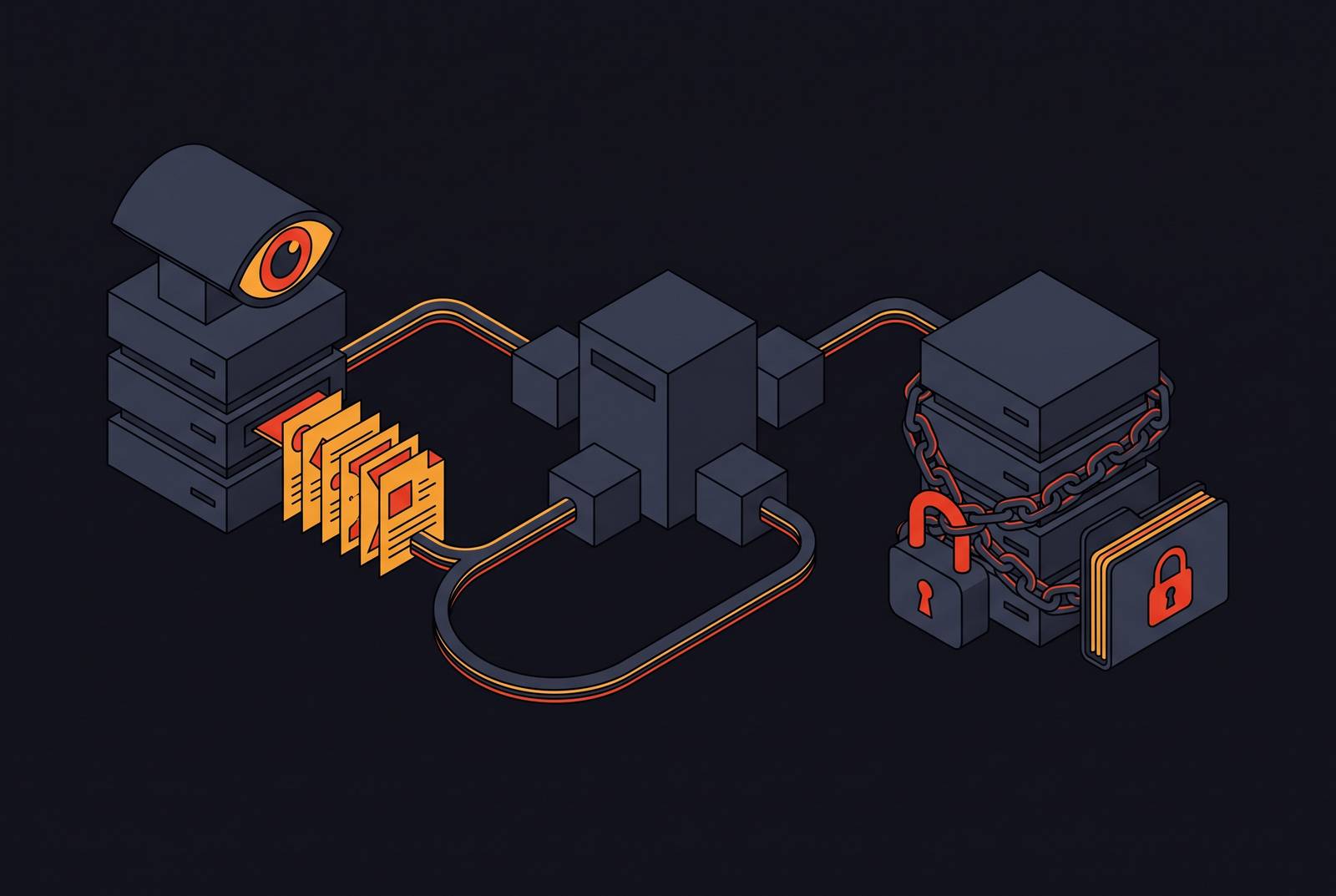
APT41’s espionage and ransomware operations are one threat. The group’s use of contractors, shared tools, and set work hours lets state intelligence collection and for-profit crime help each other. For defenders, the conclusion is practical. Separating those missions into different detection and response problems hides the connections most likely to reveal the operation.
What makes APT41 structurally different from every other Chinese state hacking group
APT41 is the only major Chinese state-linked threat group that runs state espionage and for-profit cybercrime as concurrent, integrated missions. Most Chinese state groups, including Volt Typhoon and Silk Typhoon, work only on espionage. APT41’s criminal activity is instead a structural feature tracked since at least 2012.
MITRE ATT&CK tracks the group as G0096. Its link to China’s Ministry of State Security is through state-backed contractors who work outside direct government employment, which helps explain how the same operation can gather intelligence and make money for its members. The people and technical resources do not need to change when the objective does.
That makes “espionage group that also commits crime” an incomplete description. It suggests an occasional detour, when the evidence points to a design in which both missions draw on the same capabilities. The difference changes what defenders should connect during an investigation, because a criminal intrusion can expose resources also used for intelligence collection. The structural question follows from that overlap. How does one group sustain both missions without one undermining the other?
The contractor model that makes the dual mandate possible
The suspected operational front is Chengdu 404 Network Technology Co., Ltd., a Chengdu-based cybersecurity company that marketed penetration testing, forensics, and counter-offensive network security services to public security and military clients. Its public identity was that of a white-hat firm. Its operators were nominally private contractors, distinct from the uniformed soldiers of military-affiliated groups such as APT1. That distance makes attribution murkier and prosecution harder, while giving the state plausible deniability over criminal conduct.
The chronology complicates any neat account of government hackers taking up crime. Some members began financially motivated operations against the video game industry as early as 2012, then balanced personal-gain campaigns with state espionage from 2014 onward. For those operators, crime came first. Working as contractors let the operators use the criminal skills they already had to gather state intelligence while leaving room for them to keep making money for themselves.
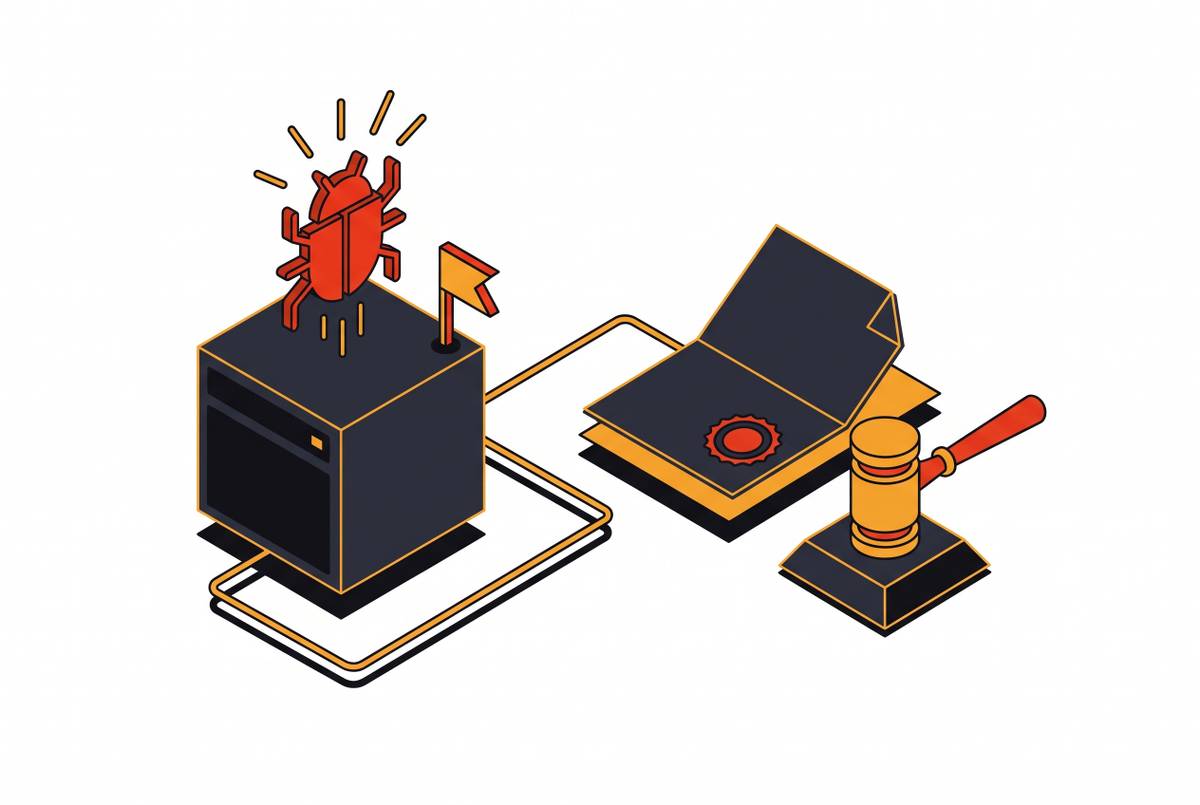
In September 2020, the U.S. Department of Justice announced indictments that named five Chinese nationals and two Malaysian associates linked to APT41. The FBI added the Chinese defendants to its Cyber Most Wanted list. Yet whether officials authorized the criminal work remains unclear. Reported boasting about MSS connections and the off-hours pattern of criminal work fit either authorized moonlighting or semi-tolerated freelancing.
That uncertainty is useful to the operation because it leaves room to dispute who directed a particular attack. It does not change the intrusion defenders face. The same operators, tools, and infrastructure can serve both missions whether officials approved the criminal work or let it pass without objection.
How time-segmentation keeps espionage and crime from colliding
APT41 separates much of its work by time. Espionage operations tend to take place during Beijing working hours, while attacks for money and ransomware deployment tend to happen in off-hours. This timing pattern has limited value for attributing individual events. Still, it shows how the contractor structure becomes a workable schedule rather than a permanent fight over whose malware gets the keyboard.
For a defender, the consequence is less amusing. A nighttime ransomware event and a daytime intrusion against a policy target may involve the same group and infrastructure. Different objectives and hours do not establish different actors. Treating the schedule as evidence of separation can therefore conceal the continuity underneath it.
The targets reflect the two sets of incentives. Espionage follows China’s strategic priorities across healthcare, high-tech, telecommunications, media, shipping and logistics, automotive, and government. Criminal campaigns go after the video game industry again and again for source code, digital certificates, and virtual currency. These are distinct objectives, but they are not sealed compartments.
Skills sharpened against tightly secured game companies feed back into intelligence tradecraft, and code-signing certificates stolen from game studios are reused to sign espionage malware. The timetable separates the work while the proceeds and techniques connect it.
The shared toolset that unifies both missions under one infrastructure
APT41’s common malware codebase and shared infrastructure provide the technical evidence of that connection. Personnel overlap alone could describe two businesses run by the same people. The missions draw from a common technical foundation, giving defenders links that survive changes in the attacker’s immediate objective.
ShadowPad illustrates both the value and limits of those links. It originated in the 2017 Netsarang supply chain operation, embedded in a legitimate signed software update that potentially exposed hundreds of companies worldwide. Regional Chinese APT clusters later shared it. APT41 nevertheless used distinct infrastructure and tasking, so the malware name alone is not an attribution verdict.
The TOUGHPROGRESS campaign shows how that technical foundation adapts. Resecurity’s analysis describes malware creating Google Calendar events back-dated to 2023, with encrypted exfiltrated data and commands embedded in event descriptions. The calendar is doing considerably more than reminding someone about a meeting.
A second example shows legitimate software woven into the malware chain itself. HivePro documented an April 2025 campaign against a U.S. policy non-profit that deployed Deed RAT, also known as Snappy Bee or Poisonplug.deed, for remote access and credential theft. The campaign used msbuild.exe for stealthy persistence and a legitimate VipreAV executable for DLL sideloading. Custom malware and trusted software are parts of the same intrusion.
Supply chain compromise as the force multiplier connecting both missions
Supply chain compromise lets APT41 combine broad access with narrow selection. In the Netsarang operation, the compromised software reached hundreds of companies, but second-stage payloads were activated only for a small subset. Victims moved to the next stage based on their domain names, IP addresses, or system configurations. The breadth of distribution concealed the precision of the follow-on operation.
That is a detection problem as much as an access problem. The first compromise happens in the software vendor’s build environment, outside the victim organization’s security perimeter. Most compromised hosts never receive the second-stage payload and therefore never generate the detection associated with that stage. A quiet host may simply be a host the attacker did not select.
The CCleaner campaign followed the same pattern. Millions of systems received backdoored software, while only a small fraction matching specific targeting criteria advanced to the next stage. Scale supplied both cover and reach. This approach lets a group that seeks both intelligence and money gain access to many systems while choosing which victims to pursue.
The DOJ indictment describes SonarX, developed by Chengdu 404, as an “Information Risk Assessment System.” The platform stores and indexes social media data so the group can target large numbers of political dissidents, pro-democracy activists, and Uyghur community members. Across its history, APT41’s victims have spanned government agencies, defense contractors, multinational corporations, healthcare organizations, telecommunications providers, and game developers including Riot Games, Capcom, NCSoft, and Nexon. That range makes selection criteria more revealing than any assumption that the group belongs to one victim sector.
The shift to cloud-native C2 and what it means for detection
APT41’s move from traditional command-and-control infrastructure to legitimate cloud services changes where defenders must look. A suspicious destination is a useful clue when the attacker operates a recognizable server. It is less useful when commands travel through a service the organization already uses.
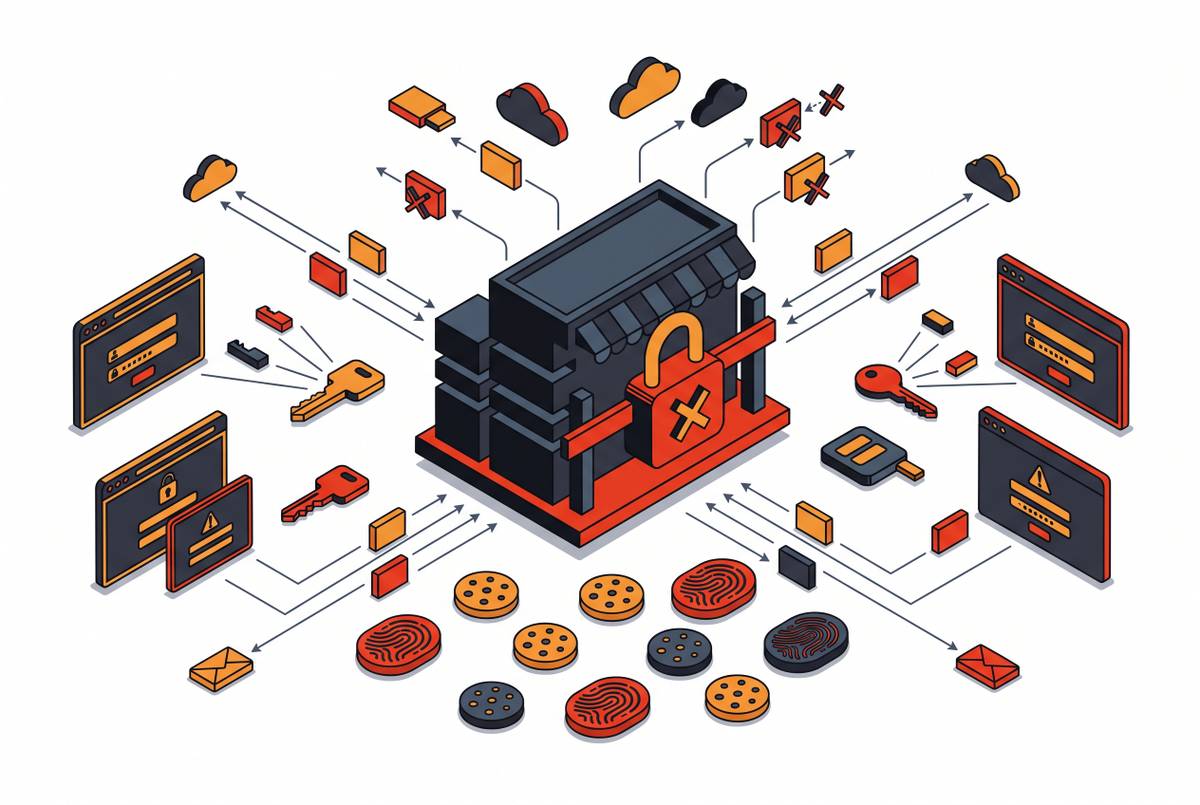
The DUST campaign, detailed between 2023 and 2024, represents a sustained example of this cloud-native posture in a long-running espionage engagement. TOUGHPROGRESS makes the detection gap especially clear. In an enterprise that never inspects calendar traffic, encrypted commands and stolen data in event descriptions can pass without the scrutiny applied to a conventional C2 connection. The service can be legitimate while its use is hostile.
Cloud-native control does not replace opportunistic perimeter exploitation. APT41’s Ivanti CVE chain was exploited within hours of public proof-of-concept availability, showing how fast entry through an exposed system can coexist with less conspicuous control afterward. Teams still need to patch quickly when they watch cloud activity, and still need to check suspicious use of an approved service after they patch.
Breakglass Intelligence reported an APT41-attributed backdoor in ELF format that used SMTP as a covert C2 channel and was designed for Linux cloud persistence. At the time of analysis, it had zero detections on VirusTotal. That result exposes the gap in relying on known malware signatures while the group changes both its implants and its communications.
How APT41's targeting expands when geopolitical conditions shift
APT41 changes its targets as state priorities shift. Its operational tempo is not constant background noise, and organizations outside a previous campaign can become targets within a single quarter. The sectors it has targeted before still offer clues, but they set no lasting boundary. Geopolitical conditions can redraw that boundary faster than an annual threat assessment.
The April 2025 policy non-profit campaign illustrates the point. HivePro documented exploitation of Log4j and Atlassian OGNL Injection vulnerabilities, followed by Deed RAT deployment for credential harvesting and lateral movement. It framed the targeting as reflecting China’s strategic interest in institutions that shape U.S. foreign relations. The target’s influence, rather than its place in a familiar commercial sector, explained its intelligence value.
Other activity shows how specific that value can become. APT41 has targeted hotel reservation systems ahead of visits by Chinese officials, serving state protective intelligence. The group also compromised at least six U.S. state government networks between 2021 and 2022. Its speed in turning public vulnerability disclosures into intrusions leaves defenders little room to wait for a campaign name.
Treat strategic relevance as a targeting signal. Organizations in healthcare, high-tech, telecommunications, media, logistics, automotive, and government should regard themselves as standing targets. Adjacent organizations should not wait for direct attribution before acting when their role becomes relevant to shifting state priorities. The absence of their name from yesterday’s reporting is not a security control.
Why treating APT41 as two separate threat actors produces the wrong defensive posture
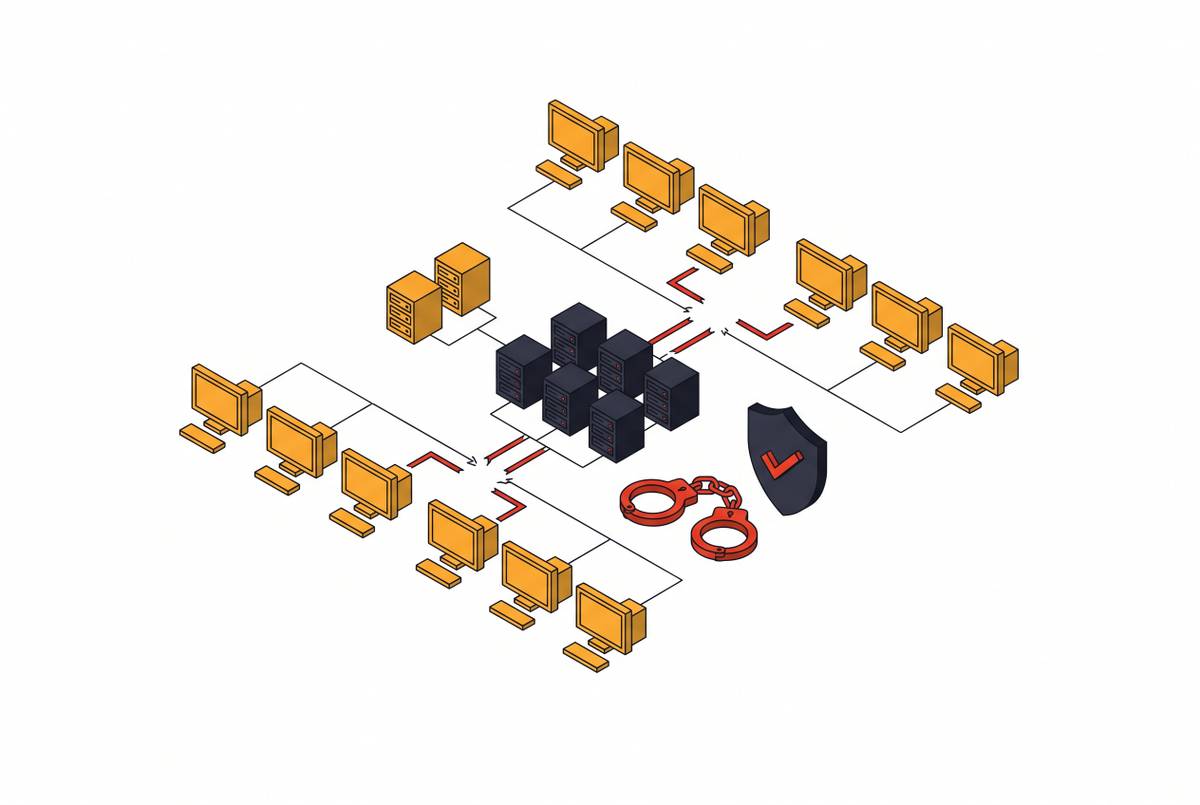
Separate espionage and crime response tracks can split the evidence that identifies APT41. A ransomware event and simultaneous data exfiltration should not be treated as independent incidents when they share process injection techniques, signed binary abuse, and C2 channels. The shared codebase connects apparently different threats. An organizational chart should not get the deciding vote over technical evidence.
The lesson for security teams is to correlate tooling, infrastructure, and timing across both kinds of incident. The April campaign’s DCSync attacks, DLL sideloading, and msbuild.exe persistence also call for behavioral baselines. Legitimate administrative tools are part of the attack surface. Their presence does not settle whether the activity is legitimate.
Cloud detection must follow the same logic. Teams need to detect anomalous use of Google Calendar, Google Drive, OneDrive, and Cloudflare Workers as C2 channels, rather than assuming well-tuned endpoint detection covers those paths. Patch velocity is the most controllable variable at the entry point. Exploitation within hours of public proof-of-concept availability is the benchmark defenders should plan against.
Communicating those connections requires more than static indicator lists. Threat-intelligence-powered content studios such as Cyberou are one option for helping security teams and vendors explain how criminal tooling connects to espionage infrastructure. The useful output is an operational account of the threat.
Determining whether a state handler approved a particular ransomware operation is analytical work that can proceed independently of response. Defenders need a single threat model that links the evidence before separate incident labels pull it apart. That model is the starting point for detection that matches how APT41 actually operates.