Silk Road Dark Web Marketplace Operations and Shutdown
How an anonymous marketplace fell apart when its creator failed to cover his digital footprints.
Silk Road wasn't the first place to sell drugs online. It was the first site to stitch together Tor, Bitcoin, escrow, and seller ratings into one working machine, and its 2013 takedown shows exactly where that machine cracked under pressure. Ross Ulbricht built it in early 2011 under the name "Dread Pirate Roberts." His own conduct got him caught; Tor and Bitcoin held.
How the marketplace actually operated day to day
Strip away the Tor browser and the anonymous payments, and Silk Road ran like an ordinary online store. Buyers browsed listings, placed an order, paid in Bitcoin, and the money sat in escrow until the buyer confirmed the package showed up. It was standard e-commerce wrapped in a layer of anonymity.
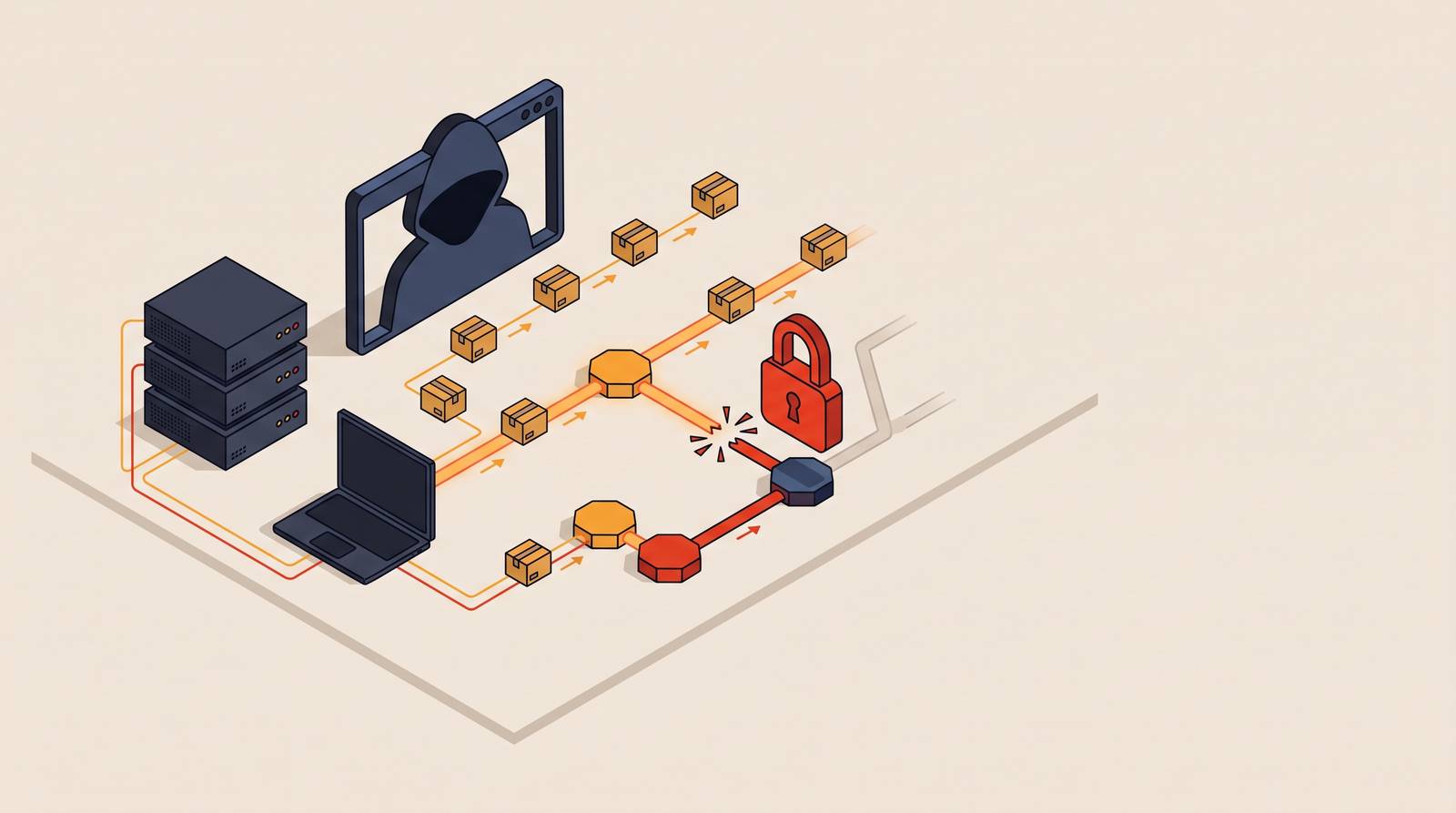
That anonymity took work to keep intact. The site used a Bitcoin tumbler, basically a wash cycle that ran coins through a huge pile of dummy transactions so nobody could trace where money started and where it ended up. The FBI later described it exactly that way in their own filings.
Trust worked the same way it works on any marketplace you already use: ratings and reviews. There was no customer service line to call if a vendor ripped you off, since reputation was the only thing keeping people honest and there was no court you could take a drug dealer to.
Buyers and sellers messaged each other privately through the site, and a forum plus a wiki gave new users a crash course in how things worked, what the norms were, how to not get scammed. A 2020 study published in ScienceDirect put total sales volume at $192.7 million between June 2012 and October 2013 alone. That covers the best-documented slice of the site's lifespan, and estimates for the complete run swing widely depending on what Bitcoin price you plug into the math, which is worth keeping in mind before you see a bigger number thrown around elsewhere.
Ulbricht ran the place: settling disputes between buyers and sellers, managing staff he'd hired through the site itself, and holding the private keys and account credentials that controlled the whole operation.
The investigative approach that cracked the anonymity layer
The FBI opened its investigation in late 2011 and spent almost two years on it, working alongside the IRS, DEA, and Homeland Security Investigations, the ICE unit built for exactly this kind of case.
The break came in June 2013, when FBI agents poking around the live site noticed the server's IP address leaking into traffic that had nothing to do with Tor. That leak pointed straight at a server sitting in Iceland.
Tor researcher Runa Sandvik said plainly that the takedown happened because the site itself wasn't secured properly. The tool held up; the implementation around it failed.
From there, the FBI worked with Reykjavik Metropolitan Police, who handed over routing data confirming heavy Tor traffic running into that server, then later provided full images of the server, packed with vendor listings, transaction logs, and private messages. Separately, investigators found code on the Iceland server that led them to a backup sitting in a data center in Pennsylvania, giving them two independent trails pointing in the same direction.
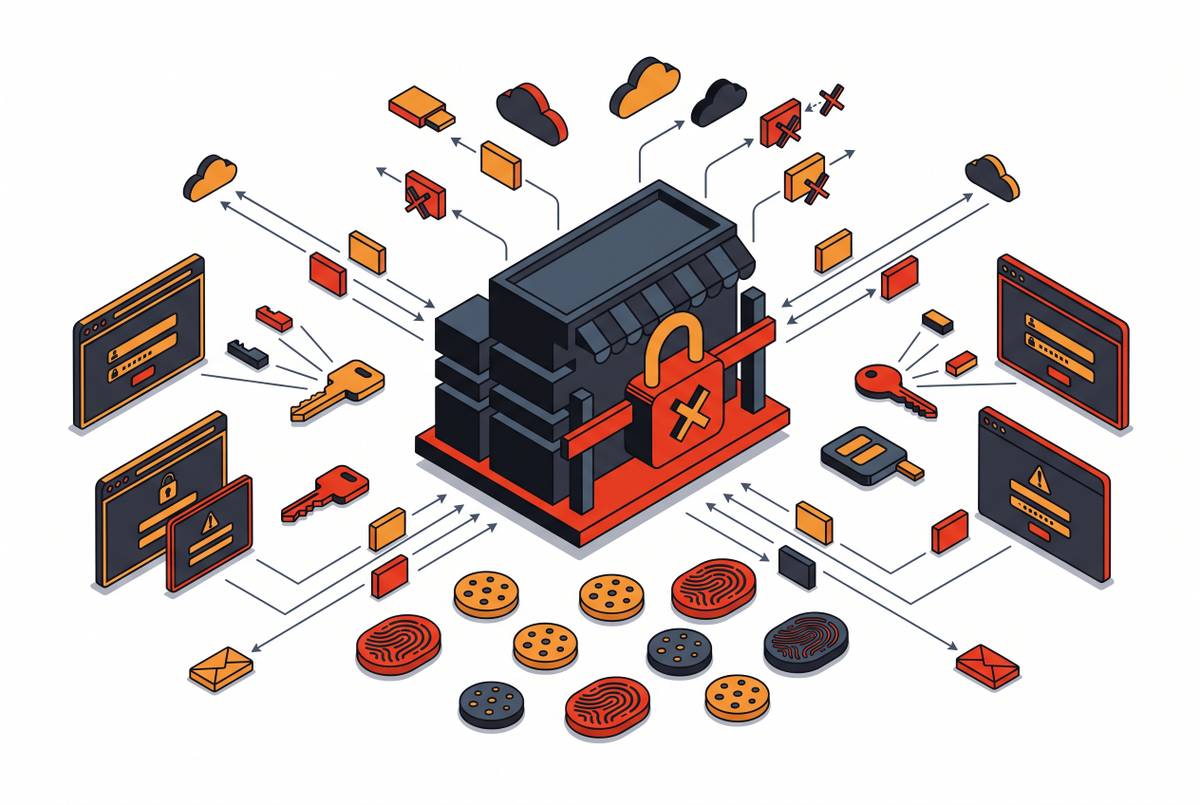
Meanwhile, an IRS special agent worked the money side, tracing Bitcoin transactions back toward Ulbricht through blockchain analysis. The FBI eventually seized 114,336 Bitcoins, and the bulk of that total traced back to a small handful of escrow addresses tied to the marketplace itself. Investigators also just read what was publicly available: forum posts, social media, the ordinary digital exhaust most people leave behind without thinking about it.
The OPSEC failures that made the technical investigation possible
Four separate mistakes did the damage, and each one teaches a different lesson about how anonymity actually fails in practice.
The first happened back in 2011, before Silk Road had really taken off. Ulbricht posted on a public forum looking for an "IT pro in the bitcoin community" and signed off with his personal Gmail address. One post, one real email, tied to one pseudonym, and that was enough for investigators to connect Dread Pirate Roberts to Ross Ulbricht.
Second, a StackOverflow account under the actual name "Ross Ulbricht" asked a technical question about connecting to a hidden Tor service using PHP, the exact method Silk Road relied on. He changed the username about a minute later, but it was too late, since StackOverflow's servers had already logged the original.
Third, in July 2013, Homeland Security intercepted a package mailed from Canada to Ulbricht's home address in San Francisco. Inside were fake IDs, and one of them had his own photograph on it.
Fourth, and this one's almost cinematic: at the moment of arrest, Ulbricht was sitting in a library, logged into the Silk Road admin panel, on a laptop that was open and unencrypted. Agents grabbed it before he could do anything, and inside was everything: admin credentials, a personal journal walking through how he built and ran the site, and Bitcoin records complete with private keys.
Every single one of these four failures exploited the human layer sitting around otherwise solid technical tools. That's the real lesson here, and it's one every security-minded person should sit with: Ulbricht used serious encryption and serious anonymity tooling, and he still got caught because he reused a username. Good tools and good habits are distinct. Both are required. Federal prosecutors put it this way: the supposed anonymity of the dark web is not a protective shield from arrest and prosecution.
The arrest, trial, and what the evidence produced at trial revealed
Ulbricht was arrested in San Francisco and hit with charges covering narcotics trafficking, computer hacking, and money laundering. The trial ran four weeks, and the jury took a little over three hours to convict him, brushing aside the defense's claim that he'd built the site and then handed it off to other people early on.
He was convicted on seven counts, including distributing narcotics over the internet, running a continuing criminal enterprise, and conspiring to launder money. The evidence that sealed it came from the same places the investigation had found it: the Iceland and Pennsylvania servers, the laptop's admin session and journal, and the blockchain trail connecting the seized Bitcoin back to the marketplace.
Chat logs pulled from the site also showed Ulbricht agreeing to pay for at least one murder-for-hire arrangement, and prosecutors pointed to several more solicitations along those lines. The killings remained unverified, but the chats were part of the record at sentencing.
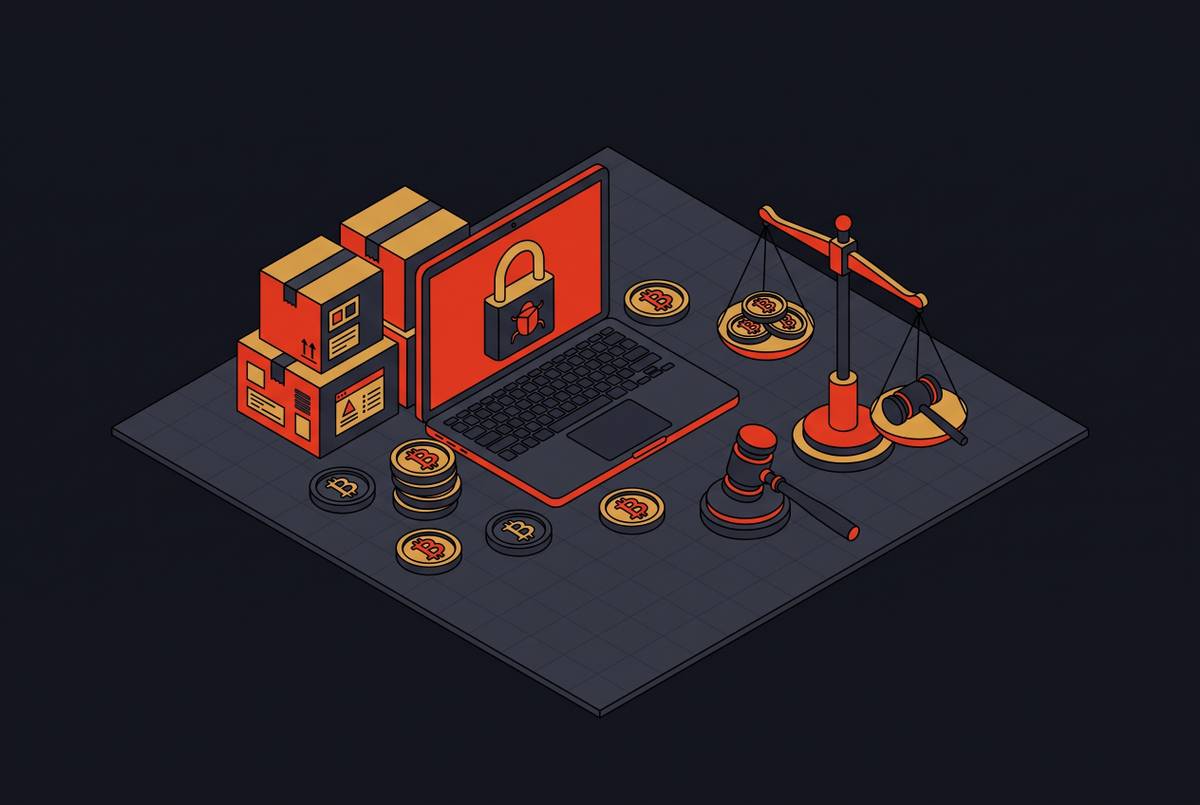
The forfeiture order came to $183,961,921, the figure the Department of Justice used for that specific legal purpose. It reflects the figure the DOJ required for forfeiture math, separate from the revenue estimates researchers have floated for the site's full run. Ulbricht was sentenced to life without parole, and an appeal in 2017 went nowhere.
Then, on January 21, 2025, President Trump gave Ulbricht a full and unconditional pardon after eleven years behind bars. The pardon changes his prison status; the 2013 server seizure stands, the marketplace remains offline, and the civil forfeiture already carried out holds. The reaction split along predictable lines: "Free Ross" supporters, largely from libertarian circles, called the life sentence a case of government overreach from the start. Prosecutors, including former federal prosecutors, held their ground, saying Ulbricht exploited people's addictions and contributed to the deaths of at least six young people.
What emerged in Silk Road's wake and why the model proved durable
Silk Road 2.0 showed up about five weeks after the original went dark, built by people who'd been part of the first site's community, and it looked and worked almost identically to what came before.
It lasted until its operator, Blake Benthall, got arrested as part of Operation Onymous, a coordinated sweep involving Europol, the FBI, and U.S. Immigration and Customs Enforcement that took down more than two dozen darknet sites in one shot.
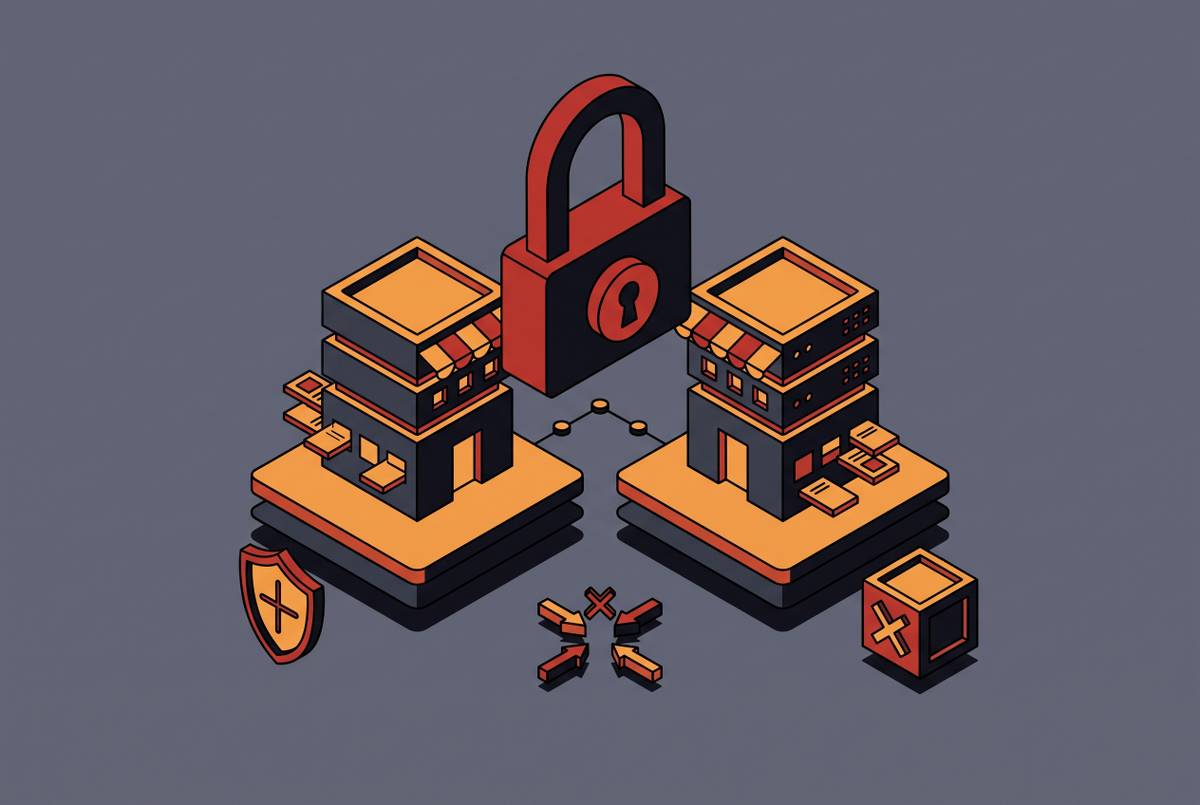
That speed of rebuilding tells you something important. The infrastructure, the vendor relationships, the trust systems built on ratings and escrow, none of that depended on Ulbricht personally. Arresting him took out one person running one node, and the network sitting underneath it survived intact, because the network was what actually mattered.
Every darknet market that's shown up since has basically run the same playbook that Silk Road put together first: Tor for anonymity, cryptocurrency for payment, escrow to hold the money, ratings to keep people honest. That recipe is now common property.
This leaves law enforcement and security researchers staring at a problem Silk Road exposed but never solved: taking down the technical infrastructure matters, but the underlying model remains available for anyone to copy and rebuild. You can arrest the operator and seize the servers, but the blueprint is already out there, available to anyone who wants to use it.