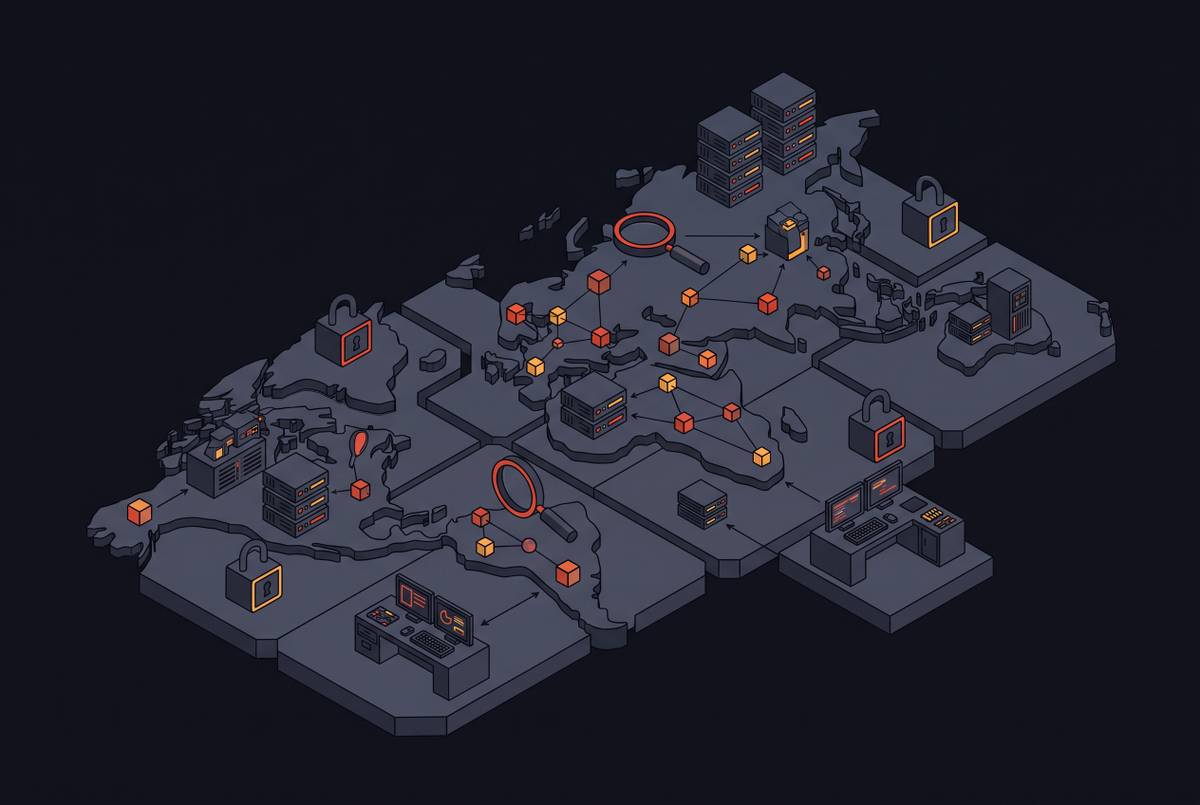
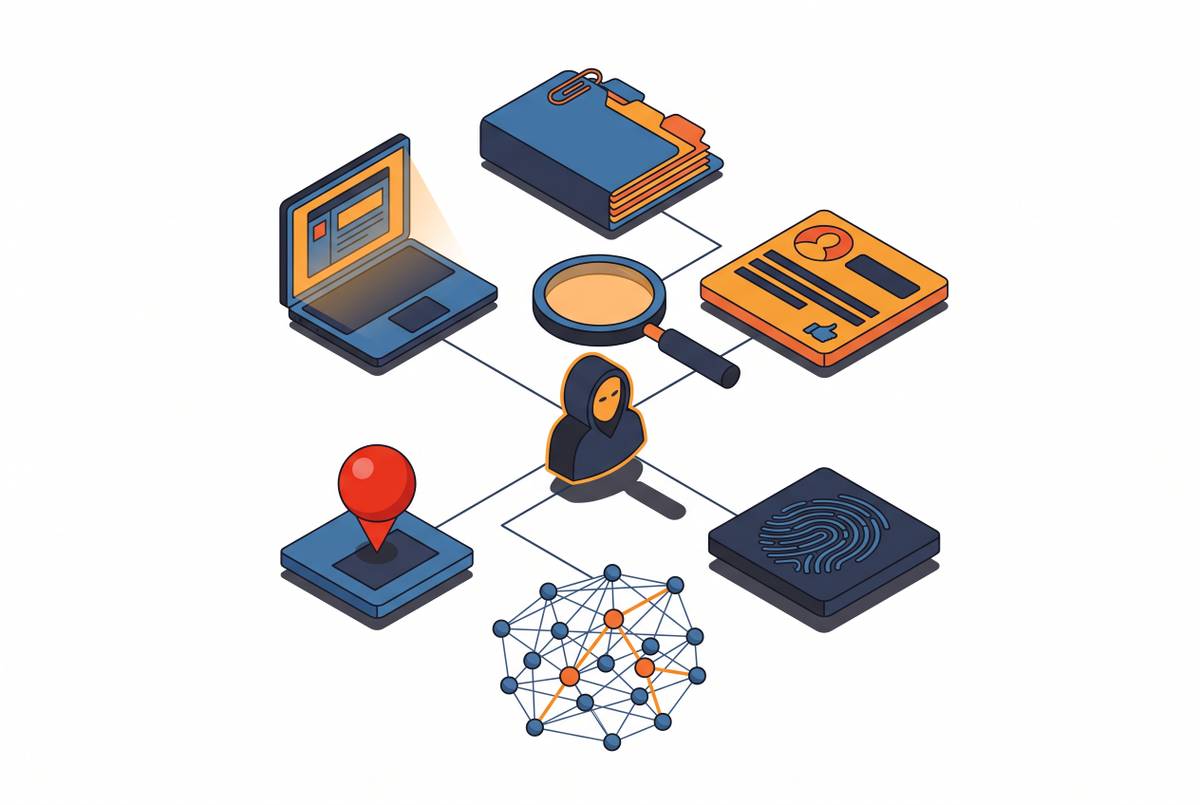
Undercover Operations Targeting Cybercrime Forums
Law enforcement infiltrates and seizes forums where criminals trade stolen data and malware.
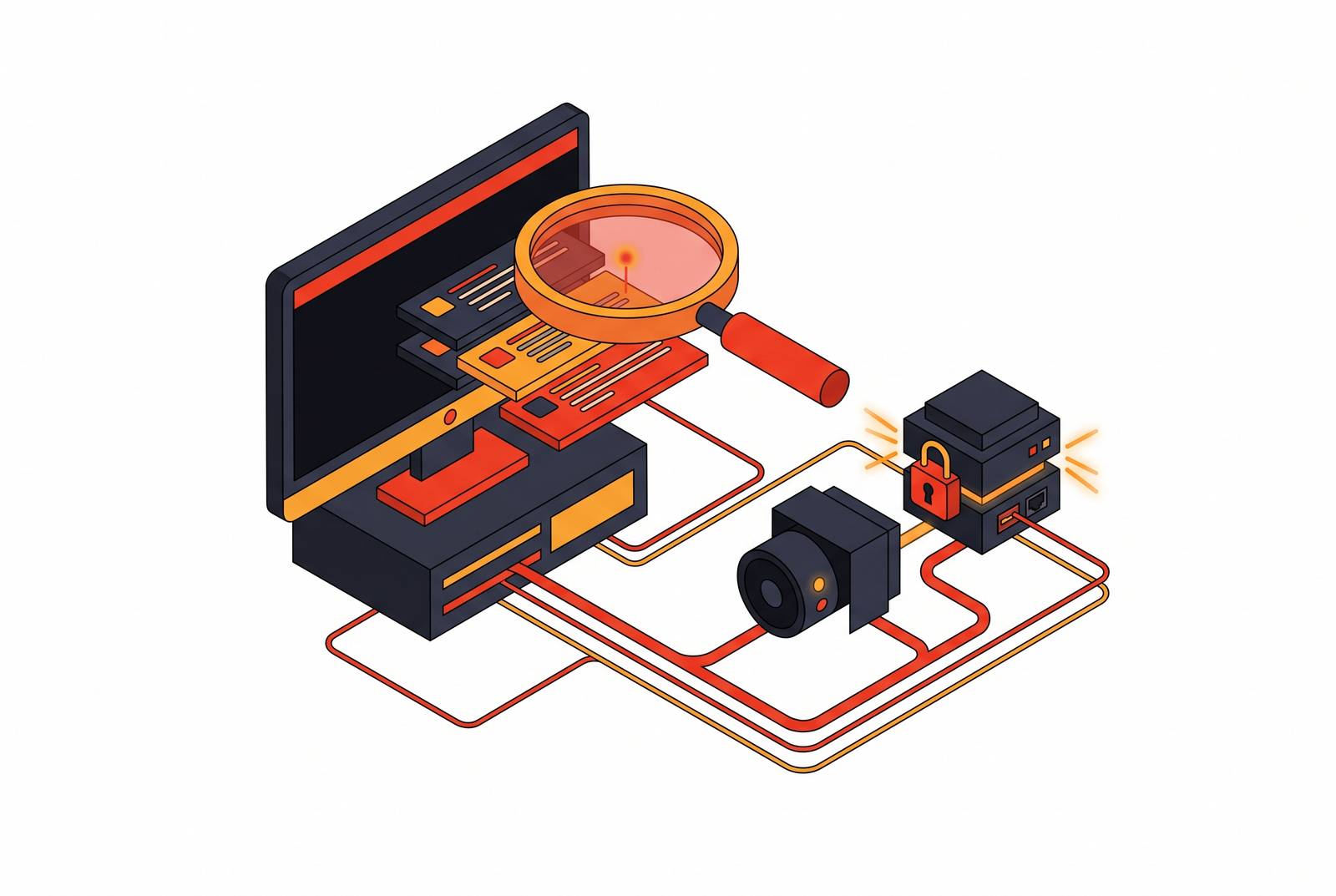
Cybercrime forums are not chat rooms full of guys in hoodies typing menacingly. They're marketplaces, classrooms, and social clubs rolled into one, and that combination is why cops care so much about them. Criminologists describe them as convergence settings, meaning that's where buyers, sellers, and people just trying to learn the trade all show up in the same place.
Structurally, these things look a lot like any other online community you've used. Boards, threads, posts, reputation scores, even escrow services to hold funds during a deal. There's governance here, not just noise. Some forums let anyone register with an email address. Others run invitation-only operations where you need a sponsor and a track record before anyone will even talk to you, and that range matters because the way law enforcement gets in depends entirely on which end of the spectrum a given forum sits on.
Forum chatter shows up before formal security reporting does, for most of the threat groups researchers track. That's not a nice-to-have detail. That's the whole reason these places get infiltrated instead of just watched from a distance.
What's actually for sale? Stolen credentials, initial access into corporate networks, recruitment pitches for ransomware-as-a-service crews, malware kits, and data leak brokerage. Real goods, real money, real victims downstream. These forums are fascinating from a trust-engineering standpoint because reputation systems and escrow exist since nobody on them can call a lawyer when they get scammed. So the community invented its own courts, and those courts are exactly the pressure point law enforcement learns to lean on. Even with all that vetting machinery, trust stays fragile. Members accuse each other of fraud constantly, and suspicion is the default setting, not the exception. That paranoia is a headache for criminals. It's also the reason undercover personas have to be built with real care instead of slapped together overnight.
How law enforcement builds a credible undercover presence inside a forum
Getting in the door is the first fight. Forums block casual visitors, and by extension, casual investigators, through nomination requirements, vetting processes, paid entry fees, or reputation thresholds that take months to build up. RAMP, for example, only let people in if they already had standing reputation elsewhere or paid a $500 entry fee SecureWorld / DOJ Socradar. That's not a subtle filter. That's a bouncer with a very specific idea of who doesn't belong.
Darkode took this further. A U.S. federal prosecutor once called it the most sophisticated English-speaking forum for criminal hackers anywhere in the world, and it required nomination and vetting by existing members before anyone got past the lobby. It took the FBI, working with law enforcement across 20 countries, to finally take it down in July 2015. That's the scale of coordination a well-run forum can force onto the people trying to dismantle it.
Once an agent is in, the job barely starts. A convincing pseudonym needs a posting history, a criminal specialty that sounds plausible, and references that hold up if someone starts asking around. Trust isn't handed out. It's negotiated, tested, and re-tested between people who assume everyone else is probably lying, so an undercover agent has to actively earn a reputation rather than just showing up and reading quietly in the corner.
There's also a network-math angle here. A small number of well-connected members end up controlling how reputation and knowledge move through the whole community. Becoming one of those hub figures, or getting close to one, is worth more to an operation than a hundred low-level contacts The Hacker News / DOJ. And none of this works without language fluency. Major forums run in Russian, English, Arabic, German, and Spanish, so a multilingual operation needs agents who actually live in that culture, not just ones who passed a training course. Exploit.in has run strict membership filters since 2005, screening out amateurs and anyone who isn't a native Russian speaker. Infiltrating a forum like that isn't a weekend project. It's a years-long investment in language and cultural fluency that most agencies can't fake.
The honeypot alternative: seizing and operating a platform covertly
Instead of sneaking one agent into a room full of suspicious people, what if law enforcement just became the room? That's the honeypot method, and the 2017 Hansa Market takedown is the case study everyone points back to SecureWorld / DOJ. Dutch police quietly seized Hansa's servers, which sat in another country entirely, and kept running the site without tipping off a single user SecureWorld / DOJ. That operation basically wrote the playbook other agencies have followed since.
The logic here is different from undercover infiltration. Rather than embedding one identity into a community and hoping it earns enough trust to matter, the police take over the whole infrastructure and let the criminals keep talking, trading, and paying, all while every message and every wallet address gets logged on the other side of the glass. Running it convincingly is its own challenge, though. Moderation has to look normal. Bans have to look organic. Nothing can spook users whose entire worldview already assumes someone might be watching.
That's what happened after the XSS forum's administrator got arrested in July 2025. The community didn't wait for proof. Members started treating the whole platform as a probable honeypot, and a good chunk of them figured law enforcement was now running the new admin account. Cryptocurrency seizures and a run of unexplained bans only fed that suspicion. Those same behavioral tells, the funds vanishing, the odd bans, are also a window into how these communities detect threats on their own, which is useful intelligence in itself.
The honeypot method's upside is obvious once you see it: every transaction on a police-controlled platform is a user identifying themselves, whether they know it or not, and that evidence can quietly build toward indictments long after the seizure gets announced. The downside is just as sharp. If word gets out before the operation is ready to move, the community scatters, and the whole window of intelligence slams shut in an instant.
Evidence agents collect once inside, and how it is built toward prosecution
So what exactly are agents grabbing while they're inside? Transaction records, links between pseudonyms and real identities, cryptocurrency wallet addresses, server locations, and private messages between administrators. That's the shopping list.
The LeakBase case shows just how much data one seizure can involve. The forum had more than 142,000 members and upwards of 215,000 messages exchanged between them, all captured in an affidavit unsealed on March 3, 2026. Connecting a pseudonym to an actual human being is the step that makes or breaks a case, and it usually comes down to tracing cryptocurrency, catching an operational security slip-up, or spotting the same handle reused across a different forum where the person got sloppy.
The XSS case shows how that financial trail becomes the backbone of a charge. The user known as "toha," reportedly Anton Gannadievich Medvedovskiy, allegedly pulled in at least $7 million from ransomware-related transactions conducted on the forum, though authorities haven't officially confirmed that identity yet Flare. Money moving through a wallet is usually the thread that ties an anonymous handle to a real prosecution.
Then there's just the raw volume. Cracked alone listed more than 28 million posts advertising illegal services, and Nulled had 43 million SecureWorld / DOJ Cracked and Nulled: International Law Enforcement Takes Down Two of the World's Largest Cybercrime Forums - Institute for Security and Technology. Nobody's reading that by hand. Selective preservation and keyword-driven searches aren't a shortcut here, they're the only way the job gets done at all SecureWorld / DOJ Cracked and Nulled: International Law Enforcement Takes Down Two of the World's Largest Cybercrime Forums - Institute for Security and Technology. And once agents have all this material, it has to clear a specific bar. The DOJ's unsealed affidavits in cases like LeakBase spell out exact transactions, exact users, exact harms done, because intelligence that's merely interesting analytically doesn't hold up in a courtroom. It has to meet an evidentiary threshold, not just satisfy an analyst's curiosity.
That creates a genuine tug-of-war inside every long-running operation: keep the honeypot open and collect more, or shut it down now and lock in what's already admissible before something goes wrong. There's no clean answer. Every operation picks its moment differently.
How coordinated multinational takedowns are executed once the collection phase ends
Once the collecting is done, the takedown has to happen fast and everywhere at once. Operation Talent, run January 28 through 30 of 2025, shows what that looks like in practice Cracked and Nulled: International Law Enforcement Takes Down Two of the World's Largest Cybercrime Forums - Institute for Security and Technology https://www.secureworld.io/industry-news/law-cracks-down-cybercrime-forums. The haul: 17 servers, more than 50 electronic devices, roughly €300,000 (about $325,000) in cash and crypto, 12 domains taken offline including the payment processor Sellix and the hosting service StarkRDP, and two arrests, including Nulled's administrator Lucas Sohn, an Argentinian national living in Spain Cracked and Nulled: International Law Enforcement Takes Down Two of the World's Largest Cybercrime Forums - Institute for Security and Technology.
More than a year later, the LeakBase takedown followed a similar rhythm on a bigger stage. Fourteen countries, a joint DOJ and Europol announcement on March 4, 2026, roughly 100 enforcement actions carried out worldwide, and specific measures aimed at 37 of the forum's most active users The Hacker News / DOJ. Visit the site today and you'll find a law enforcement splash page where the forum used to be The Hacker News / DOJ. Russian national Mikhail Matveev, known online as "Orange," "Wazawaka," and "BorisElcin," got named in that action, notable partly because he'd already been arrested once in Russia back in 2024 Cracked and Nulled: International Law Enforcement Takes Down Two of the World's Largest Cybercrime Forums - Institute for Security and Technology.
None of this happened in a vacuum. Each operation left behind institutional knowledge and legal groundwork the next one built on.
The hardest part of any of this is the timing. It's the timing. Warrants, server seizures, and arrests all have to land close enough together that nobody gets a chance to warn anybody else, and the more countries involved, the harder that synchronization gets. Even the seizure banner that replaces a forum's homepage does double duty: it tells remaining users the domain now belongs to the government, and it plants a seed of doubt about who else has already been identified and flipped.
Why forums survive disruption
Any celebration after a big takedown should be tempered. Operation Talent knocked out Cracked and Nulled, and Europol itself said that forums like these tend to reappear under new names and new domains. Not might reappear. Tend to.
The RAMP case makes this concrete SecureWorld / DOJ Socradar. After it went dark, ransomware actors scattered to Rehub, an open-membership forum that DragonForce joined the very day RAMP disappeared, and to T1erOne, an invitation-only space reserved for higher-value players. A chunk of activity just moved to Telegram entirely. The XSS situation tells a similar story from a different angle. Eight moderators who'd been pushed out of XSS launched a replacement called DamageLib on August 2, 2025, and it pulled in about 33,500 registered accounts within weeks, roughly two-thirds of XSS's estimated 51,000-strong user base Flare. A community can rebuild itself faster than an agency can plan the operation that just took it down Flare.
DamageLib's founders learned something from watching XSS get hunted, too. They banned commercial activity outright, on purpose, specifically to make the platform a less attractive law enforcement target. That's real adaptation, even if it doesn't make the underlying ecosystem disappear.
Exploit.in offers the longer view. It's been running since 2005 and has outlasted multiple waves of crackdowns that took out competing forums, largely because its strict, Russian-language membership filtering is designed for longevity under pressure. Research into forum chatter after these crackdowns backs this up too: users mostly describe a temporary slowdown in business, not a shutdown. And an Infosecurity Magazine analyst said these operations "sow mistrust, fear, and uncertainty among threat actors". That's real. It raises the cost of doing business for criminals. It just doesn't stop the business from reopening somewhere else.
Telegram makes all of this messier. Forums increasingly function as the storefront window, while the actual deals and conversations move into private channels and bots that are much harder to watch systematically. The forum becomes the ad. The transaction happens somewhere the ad can't follow.
How the intelligence gathered during these operations reaches defenders before the next forum emerges
None of this is just an academic exercise in "will forums come back." Forum chatter appears in the record before formal security disclosures for most tracked threat groups, which means the intelligence window this whole methodology produces is measurable. Cyble Research and Intelligence Labs tracked 6,046 global data breach and leak incidents in 2025 alone, and that number is why early-warning intelligence pulled from forums isn't a nice bonus feature. It's operationally necessary Cyble.
Seized infrastructure hands defenders something law enforcement rarely puts in a press release: the full list of compromised credentials, who was trading with whom, and attack plans that were still in motion the moment the servers got taken. LeakBase alone reportedly involved hundreds of millions of account credentials, which gives some sense of just how much was moving through that one forum at any given time.
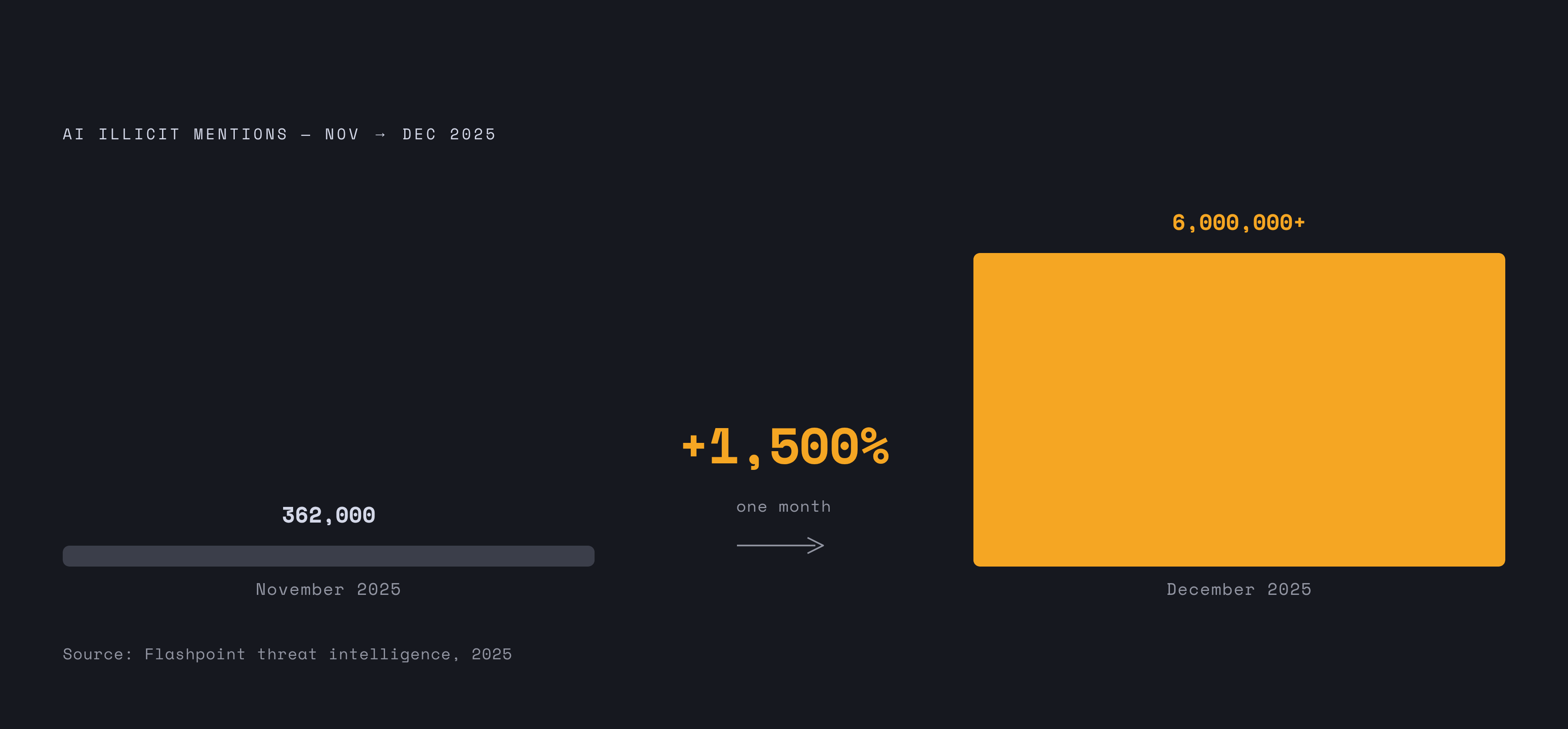
Speed is the whole game now, and it's getting faster. Flashpoint tracked a 1,500% jump in AI-related illicit discussion between November and December 2025 alone, from 362,000 mentions to more than 6 million. The gap between someone floating an idea on a forum and someone deploying it against a real target is shrinking fast. Organizations that feed dark web intelligence into their SIEM and network detection tools can catch intent before a payload ever gets deployed, and that's really the punchline of this whole methodology: the exact playbook law enforcement uses to build a case, patient presence, credibility inside the community, systematic evidence preservation, is the same playbook defenders need to build early warning. Keyword alerts and generic dark web scans don't cut it anymore. Sustained, credible presence does.
Sources
- 10 Best Dark Web And Deep Web Forums In 2026
- Top Cybercrime Forums to Monitor - Flare
- Global Law Enforcement Shuts Down Two of the Largest Cybercrime Forums
- Cracked and Nulled: International Law Enforcement Takes Down Two of the World’s Largest Cybercrime Forums - Institute for Security and Technology
- Top 10 Deep & Dark Web Forums in 2026
- Understanding Illicit Ecosystems: How Dark Web Forums Structure Cybercrime | Flashpoint
- International Operation Dismantles Cracked and Nulled Cybercrime Hubs - Infosecurity Magazine
- FBI and Europol Seize LeakBase Forum Used to Trade Stolen Credentials